Heavy-duty warehouse racking: A case study of improving warehousing efficiency
Release time:2024-12-26
Heavy-duty warehouse racking: A case study analysis of improving warehouse efficiency
In the modern logistics industry, the efficiency of warehouse management directly affects a company's operating costs and customer satisfaction. To improve warehouse efficiency, heavy-duty warehouse racking has become the preferred choice for many companies. This article will explore the application cases of heavy-duty warehouse racking and discuss in depth how they help different types of companies improve operational efficiency.
I. Advantages of heavy-duty warehouse racking
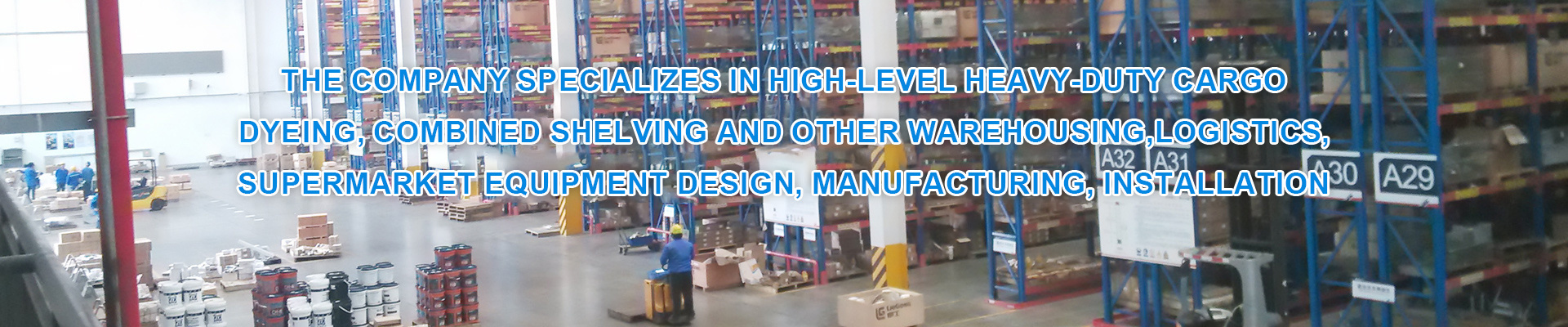
With its strong load-bearing capacity and flexible storage solutions, heavy-duty warehouse racking has become a "star product" for major warehousing companies. The design of these racks allows them to carry large quantities of goods without taking up too much space, making them a "lifesaver" for warehouse management! More importantly, they can adapt to different storage needs and be flexibly adjusted, making them a "transformer"-like existence.
II. Case study analysis
1. Successful transformation of an e-commerce company
A well-known e-commerce company chose heavy-duty warehouse racking when upgrading its warehouse. By using a reasonable layout and dividing goods into zones using the "ABC classification method," they not only significantly improved picking efficiency but also reduced employee workload. The results showed that order processing time was shortened by 30%, and customer satisfaction also increased, achieving a "win-win" situation.
2. Manufacturing industry's path to improved efficiency
In the manufacturing industry, an automobile parts manufacturer also began to introduce heavy-duty warehouse racking. By setting up multi-layer racks, they effectively separated raw materials and finished products, making the production line more efficient. In the feedback after implementation, production efficiency increased by 20%, and material turnover rate increased by 15%. It is clear that heavy-duty warehouse racking not only keeps the warehouse tidy but also brings new vitality to production.
3. Strict requirements of the food industry
In the food industry, a large chain supermarket also introduced heavy-duty warehouse racking in its warehouse management. To ensure food safety and freshness, they specially designed temperature-controlled racks and installed barcode scanning systems on the racks to monitor inventory in real time. This not only improved the accuracy of inventory management but also ensured the shelf life of food, demonstrating great attention to detail.
III. Future outlook
With the development of technology, heavy-duty warehouse racking is also constantly evolving. From intelligent management to more environmentally friendly materials, future heavy-duty warehouse racking will be more intelligent and efficient. Imagine that with the help of IoT technology, the racks can automatically identify inventory and promptly issue replenishment prompts. Such a scenario is exciting!
IV. Summary
Through case studies from multiple industries, we can see the huge potential of heavy-duty warehouse racking in improving warehouse efficiency. This is not just a tool for warehouse management, but also a "powerful assistant" for business operations. If you also want to improve warehouse efficiency, consider introducing heavy-duty warehouse racking to give your warehouse a new look!
More News
Shenzhen Guangzhichao Shelving Industry Development Co., Ltd.
Shenzhen Headquarters: East Zone, Jiuxiangling Industrial Park, Xili Town, Nanshan District, Shenzhen, China
Factory Address: No. 3, Factory Building, No. 12, Fulin Road, Fafangcun Community, Pingdi Sixth Union, Pingdi Street, Longgang District, Shenzhen, Guangdong, China
Factory Address: Pangshangou Guangzhichao Industrial Park, Daying County Industrial Concentrated Development Zone, Suining City, Sichuan Province
Tel:0755-82942082 82942085
Hong Kong Tel:00852-69317568
Fax: 0755-82942080
24-hour service hotline: 13828704327
Official Account

Contact Us


Copyright © 2025 Shenzhen Guangzhichao Shelving Industry Development Co., Ltd.