GZC-006 Medium Shelf
Category:
key word:
- Product Description
-
- Commodity name: GZC-006 Medium Shelf
Medium-duty shelving, a type of storage shelving and a kind of shelf shelving, is classified and named according to its load-bearing capacity. According to this classification principle, medium-duty shelving is between light-duty and heavy-duty shelving, hence the name medium-duty shelving.
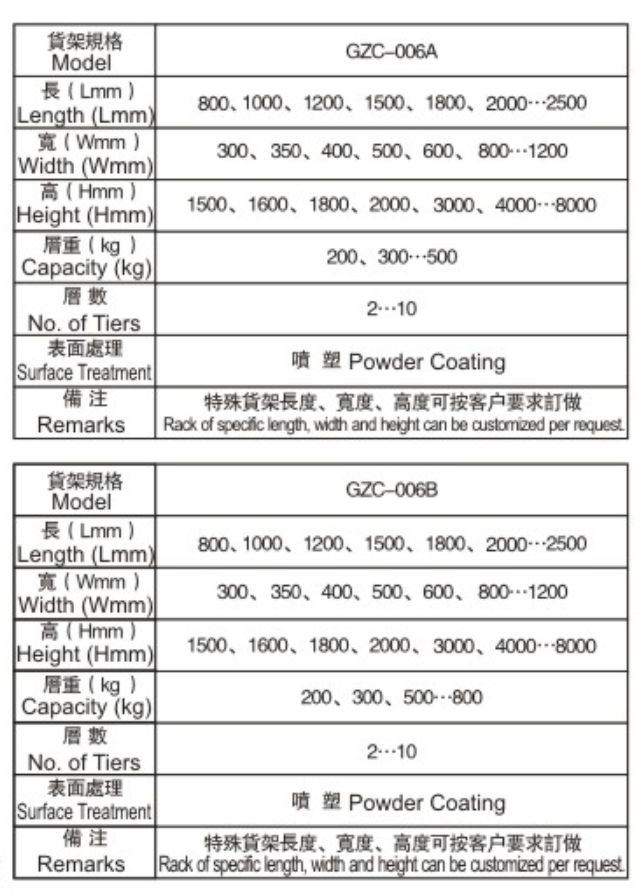
Typically, the shelf load is 150kg/-600kg per layer (the shelf load is mostly calculated as the load-bearing capacity per layer).
After all components of the medium-duty shelving are processed and formed, they are all processed by grinding, pickling, phosphating, fully automatic powder electrostatic spraying, drying, etc., and then assembled into finished products. The shelf layers can be adjusted arbitrarily at intervals of 50mm.
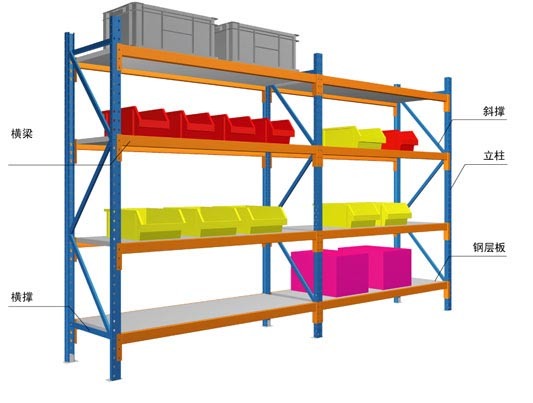
Various models, specifications, and sizes can be designed and produced according to customer requirements. The shelf structure is simple and the appearance is beautiful. It adopts a column and beam connection, which is a plug-in structure, and is easy to install and disassemble.
The shelves can be paved with steel plates, wooden boards (original wooden boards, medium-density fiberboards, plastic-coated particleboards, etc.).
Main frame and sub-frame
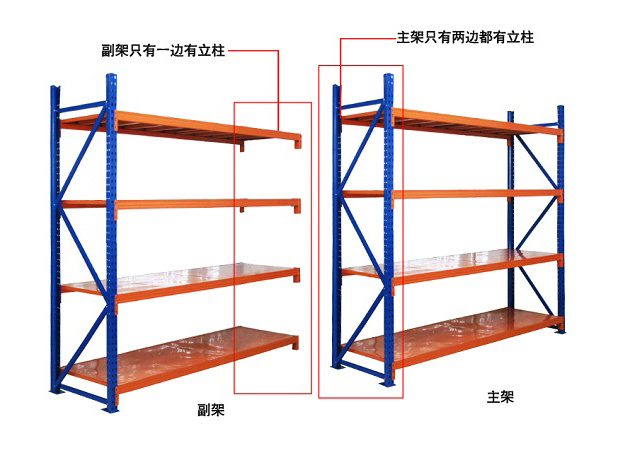
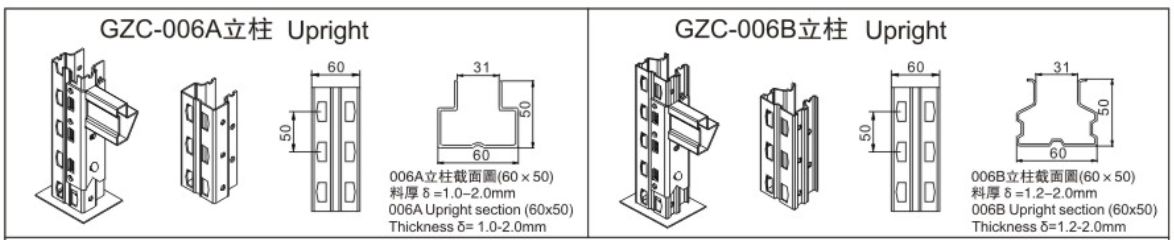
Medium-duty shelving is assembled from uprights, beams, and shelves. An independent set has two uprights; this kind of shelving is called the main frame. If several sets are assembled into a row, then except for the first set which needs two uprights,
others can share one upright with the previous set; this kind of shelving is called a sub-frame.
If the shelving needs to be moved frequently, it is recommended to use all main frames. The shelving connected by the main and sub-frames must be moved with the main frame.
Main frame: Two side frames (one side frame: two uprights plus several horizontal and diagonal braces) + beams (one layer needs two beams) + shelves (shelves are placed on top of two beams).
Sub-frame: One side frame (one side frame: two uprights plus several horizontal and diagonal braces) + beams (one layer needs two beams) + shelves (shelves are placed on top of two beams).
Size introduction:
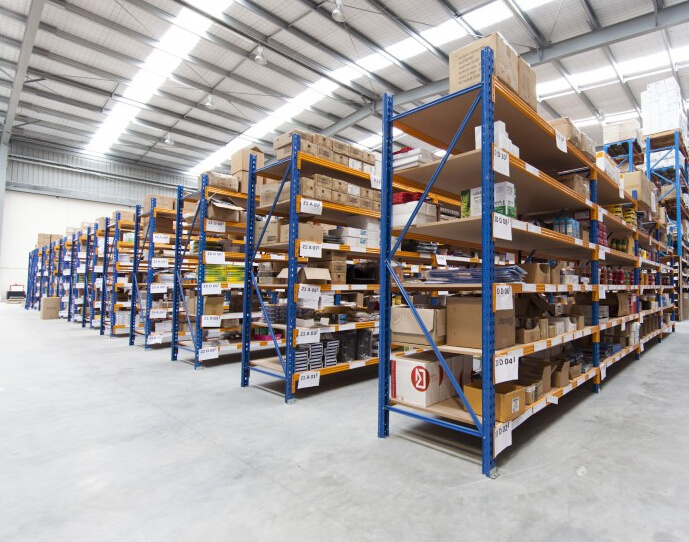
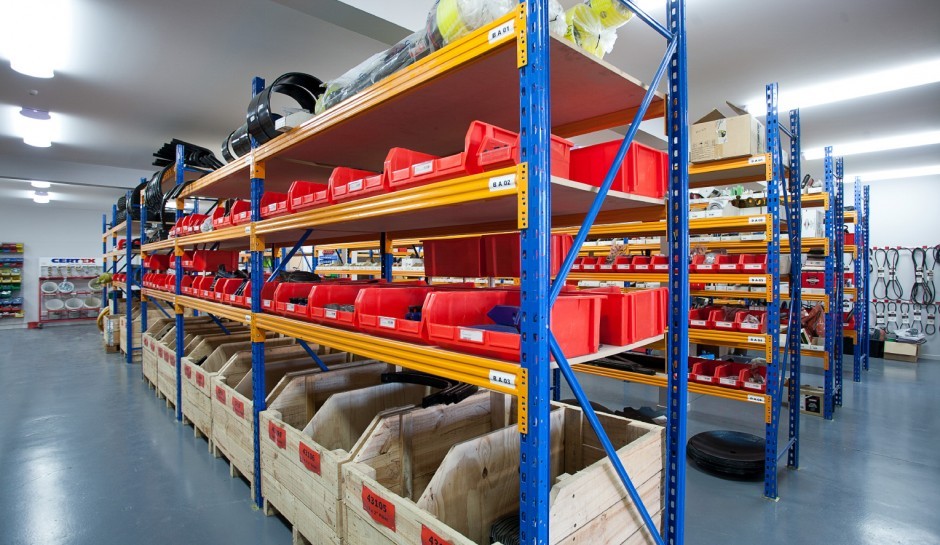
Application examples:
More Products
Shenzhen Guangzhichao Shelving Industry Development Co., Ltd.
Shenzhen Headquarters: East Zone, Jiuxiangling Industrial Park, Xili Town, Nanshan District, Shenzhen, China
Factory Address: No. 3, Factory Building, No. 12, Fulin Road, Fafangcun Community, Pingdi Sixth Union, Pingdi Street, Longgang District, Shenzhen, Guangdong, China
Factory Address: Pangshangou Guangzhichao Industrial Park, Daying County Industrial Concentrated Development Zone, Suining City, Sichuan Province
Tel:0755-82942082 82942085
Hong Kong Tel:00852-69317568
Fax: 0755-82942080
24-hour service hotline: 13828704327
Official Account

Contact Us


Copyright © 2025 Shenzhen Guangzhichao Shelving Industry Development Co., Ltd.